
The week after a crash is often dedicated to certain tasks. There’s an urgent care visit, a rental car, an adjuster who keeps calling, or a car you can’t drive. Nobody spends that week thinking about a computer hard drive sitting in a gas station office that might have footage of your crash on it.
That’s the problem, though. Some of the evidence that would settle a crash case runs on a timer that started the moment the cars stopped, and the timer is measured in days.
An Orlando car accident lawyer can start the preservation work while you’re still dealing with the medical side.
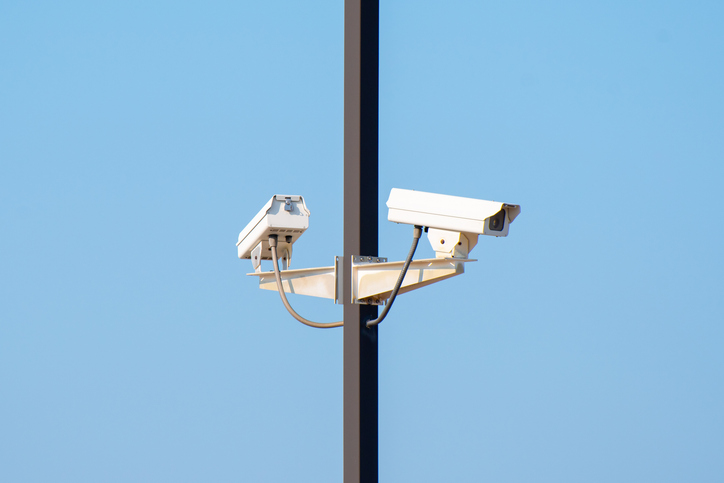
No general rule requires a private business to keep its security video for any particular length of time, so the window is set by the recorder’s capacity rather than by law. That usually means days. A small business with one hard drive may hold a few days before the system loops back and writes over the oldest footage. Larger properties with more storage can hold weeks or longer.
Nobody reviews video of an event they didn’t know happened. A convenience store near the intersection may have the clearest angle on your crash, and the manager has no reason to look for it.
Dashcam footage is overwritten in a matter of hours or days, depending on the internal memory. Dashcams record in a loop. The camera fills its memory card, then starts writing over the oldest file.
Most dashcams lock a clip when an impact trips the sensor, which protects it from the loop. Plenty of them don’t trip in a low-speed hit, and plenty of drivers never check whether the file saved. If the other driver had a camera, their next few drives may be recording over your crash.
The recording itself is brief. Most vehicles built in the last decade carry an event data recorder, and the federal EDR rule sets what it captures: vehicle speed and braking in the seconds before impact, plus the crash event in fractions of a second.
NHTSA finalized a rule expanding required pre-crash data from five seconds at two samples per second to twenty seconds at ten samples per second. The new requirements begin phasing in September 1, 2028, with full compliance beginning September 1, 2031. For a disputed crash, twenty seconds of speed and braking is a different kind of evidence than five.
How long it survives is the real question, and the answer surprises people. Airbag-deployment event data is protected from being overwritten. Non-deployment event data may be overwritten by a later qualifying event if no empty memory buffer is available, depending on the vehicle’s design. That makes prompt preservation important even when the airbags did not deploy.
The car itself can disappear too. A total loss gets towed to a storage lot and then sold, and the recorder goes with it.
For federally required hours-of-service records, six months is the minimum. Motor carriers generally must retain drivers’ records of duty status and required supporting documents for at least six months. Other trucking records may have different retention periods.
Treat that as a floor. A truck accident claim that starts after the window closes is working from less than it could have.
Generally yes, a business can refuse to hand over the video if the request is informal. A private business isn’t obligated to hand over its recordings to someone who asks, and many have a policy of releasing them only through formal legal process.
So the written request matters even more. A preservation letter tells a business or a carrier that specific footage matters to a claim and asks them to hold it, which puts a date on the request. If the video has to be compelled later, that letter documents that preservation was requested in time.
Preserve evidence by identifying who holds what and asking in writing, quickly. A crash report is confidential for sixty days under the Florida crash report law, but the statute makes it available during that window to the people involved in the crash and their legal representatives. You don’t have to wait two months to learn which agency responded or who insures the other driver.
Photos of the scene are worth taking, and so is a note of every business with a camera pointed anywhere near the intersection. Those steps after a crash cost nothing and they get harder to do later.
The strength of a crash case often comes down to the first couple of weeks, and to whoever knows which doors to knock on.
DWK Law handles car accident cases in Orlando, and the evidence work starts on day one. Call (407) 244-3000 or contact us to request a free consultation.