
Insurance companies initially evaluate evidence, such as videos, police reports, witness statements, and medical records, to determine fault after a car crash. If the case goes to court, a judge or jury may ultimately decide disputed issues of liability. How fault is determined in a car accident case is critical, since it affects your ability to recover compensation from your insurer or the other driver. An Orlando car accident lawyer from DWK Law is here to explain what you need to know.
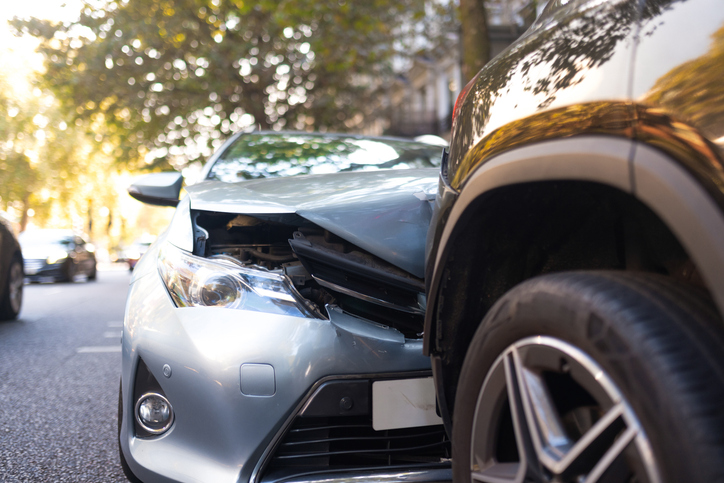
Who decides who is at fault in a car accident?
Insurance adjusters typically make the initial fault determination during the claims process. If the parties cannot agree and the case proceeds to court, the judge or jury may ultimately determine fault. They review evidence and assess the following possibilities:
- Did police officers issue citations to anyone?
- Do photos from the accident scene clearly indicate who is at fault for the accident?
- Did the weather or road conditions play a part in the crash?
- Were you or another driver partially at fault?
- Is there vehicle damage or other property damage?
- Did anyone involved violate traffic laws, such as running a red light?
- Was it a drunk-driving accident?
- What is the extent of your personal injury from the accident?
Multiple parties could bear fault for the accident. Your car accident lawyer can collect evidence to show how the crash happened and push back against unfair blame.
What evidence is used to determine fault?
The most common kinds of evidence used to determine fault in a car accident include the following:
- Witness statements
- Police reports
- Event Data Recorders often referred to as a “Black Box”
- Photos and videos taken at the accident scene
- Medical scans, records, and doctors’ notes describing your injuries
- Auto repair estimate for damage to your vehicle
- Citations from the authorities indicating traffic violations
- Expert testimony from accident reconstruction specialists
- Social media posts from both parties after the crash
- Statements made after the crash that may be interpreted as admissions, depending on the circumstances.
By collecting evidence as soon as you can after an accident and speaking with an experienced car accident lawyer before talking to insurance adjusters, you can strengthen your case. Your attorney can manage conversations with insurance reps and help protect your claim.
How does Florida’s no-fault system affect fault after a crash?
Florida is one of a few no-fault states that require drivers to carry Personal Injury Protection (PIP) and Property Damage Liability (PDL) insurance. In many Florida car accident cases, your own PIP coverage is the first place to seek benefits for injury-related expenses, regardless of who caused the crash.
PIP generally pays a portion of medical expenses and lost wages regardless of fault up to a certain amount. Damage to your vehicle is handled separately and may be covered through the at-fault driver’s Property Damage Liability coverage, your own collision coverage, or another applicable insurance policy.
While Florida’s no-fault system allows most injured drivers to initially seek PIP benefits without proving fault, fault still becomes important when pursuing property damage claims or seeking damages from an at-fault driver, especially if your injuries meet Florida’s serious injury threshold.
What happens if you were partly at fault?
If you are found to be more than 50% responsible for the crash, Florida’s modified comparative negligence law, Chapter 768, Section 81 of the Florida Statutes, generally prevents you from recovering damages from another at-fault party in a negligence claim. However, this rule does not eliminate your eligibility for available PIP benefits.
This might apply if there is evidence that you rear-ended a vehicle after following too closely or ran a red light. In these situations, your car accident injury attorney can work to reduce any fault assigned to you and push back against unfair blame.
Find your way forward with DWK Law
At Dellecker, Wilson, King, McKenna, Ruffier & Sos, LLP, we diligently investigate all details of your car accident case to determine who is at fault and hold them accountable under the law. You don’t have to suffer financial and physical hardship without a champion fighting for your rights.
Schedule a free case review with an Orlando car accident lawyer at DWK Law when you contact us today by calling (407) 244-3000.